:max_bytes(150000):strip_icc()/Term-Definitions_Digital-Marketing-5ae6ea1aee934b02a94a1a4d9401443d.jpg?ssl=1 "Decoding Digital Marketing: Meaning And Impact")
The Digital Canvas: Deciphering the Meaning of Modern marketing
In an era where the digital realm permeates every facet of our lives, the term “digital marketing” has transcended mere jargon to become a fundamental pillar of business strategy. But what does it truly mean? Beyond the buzzwords and fleeting trends, digital marketing represents a profound shift in how businesses connect with, engage, and ultimately, convert their target audiences. This comprehensive exploration delves into the core essence of digital marketing, dissecting its components, illuminating its significance, and revealing its transformative power.
To grasp the meaning of digital marketing, it’s essential to understand its genesis. Traditional marketing, reliant on print, broadcast, and physical interactions, operated within a one-way communication paradigm. Businesses pushed messages outward, hoping to capture attention and drive sales. However, the advent of the internet and the subsequent proliferation of digital technologies revolutionized this landscape.
:max_bytes(150000):strip_icc()/Term-Definitions_Digital-Marketing-5ae6ea1aee934b02a94a1a4d9401443d.jpg "image.title")
Digital marketing emerged as a response to the evolving consumer behavior. Individuals increasingly turned to the internet for information, entertainment, and connection. This shift created unprecedented opportunities for businesses to engage with their audiences in more targeted, interactive, and measurable ways.
Digital marketing is not a monolithic entity but rather a constellation of interconnected strategies and tactics. Each component plays a vital role in building a cohesive and effective digital presence.
Search Engine Optimization (SEO): The Gateway to Visibility
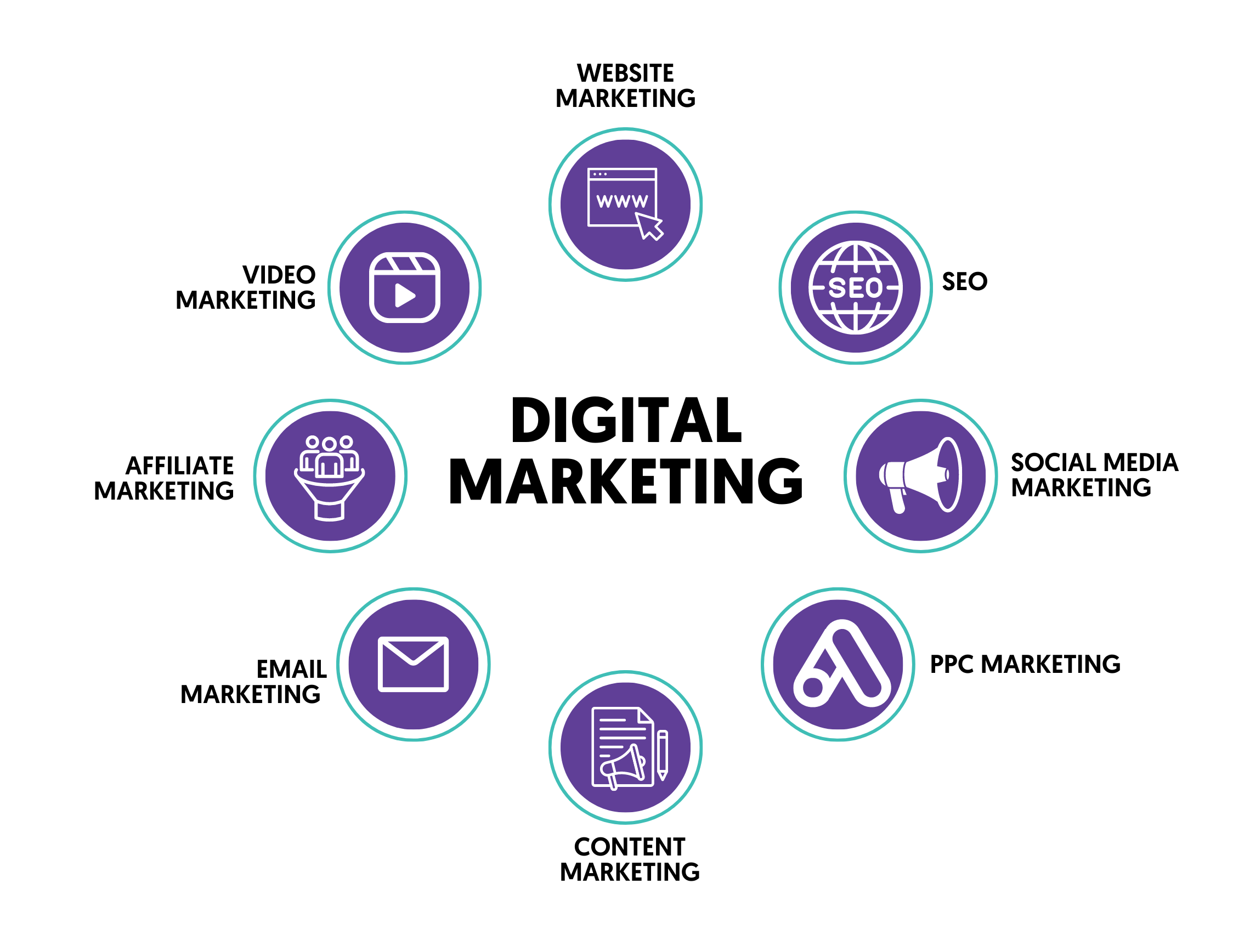
SEO is the cornerstone of organic digital marketing. It involves optimizing website content and structure to rank higher in search engine results pages (SERPs). By understanding how search engines like Google operate and aligning website content with relevant keywords, businesses can attract organic traffic from users actively searching for their products or services.
Search Engine Marketing (SEM): Paid Visibility and Targeted Reach
While SEO focuses on organic visibility, SEM leverages paid advertising to drive traffic to websites. Platforms like Google Ads allow businesses to target specific keywords, demographics, and locations, ensuring their ads reach the most relevant audiences. SEM offers a powerful way to generate immediate traffic and drive conversions.
Content Marketing: The Art of Engagement and Value Creation
Content marketing centers on creating and distributing valuable, relevant, and consistent content to attract and retain a clearly defined audience. This encompasses a wide range of formats, including blog posts, articles, videos, infographics, and social media content. Content marketing aims to establish thought leadership, build brand awareness, and foster trust with potential customers.
Social Media Marketing: Connecting and Engaging with Communities
Social media platforms have become indispensable tools for businesses to connect with their target audiences. Social media marketing involves creating and sharing engaging content, running targeted advertising campaigns, and fostering meaningful interactions with followers. Building a strong social media presence can enhance brand awareness, drive traffic, and generate leads.
Email Marketing: Direct Communication and Personalized Engagement
Email marketing remains a highly effective channel for nurturing leads and driving conversions. By segmenting email lists and delivering personalized messages, businesses can build stronger relationships with their subscribers and promote targeted offers. Email marketing offers a direct line of communication with potential and existing customers.
Affiliate Marketing: Leveraging Partnerships for Growth
Affiliate marketing involves partnering with individuals or businesses who promote your products or services in exchange for a commission on sales. This can be a cost-effective way to expand your reach and generate leads.
Influencer Marketing: Harnessing the Power of Social Proof
Influencer marketing involves collaborating with individuals who have a significant following on social media. Influencers can promote your products or services to their audience, building trust and driving sales.
Analytics and Measurement: Tracking Performance and Optimizing Strategies
A crucial aspect of digital marketing is its ability to track and measure performance. Tools like Google Analytics provide valuable insights into website traffic, user behavior, and campaign effectiveness. By analyzing data, businesses can optimize their strategies and maximize their return on investment (ROI).
Digital marketing is not merely a collection of isolated tactics but a holistic approach to building meaningful relationships with customers in the digital age. It’s about understanding the customer journey, delivering personalized experiences, and fostering brand loyalty.
Customer-Centricity: Putting the Customer First
At the heart of effective digital marketing lies a customer-centric approach. This involves understanding the needs, preferences, and pain points of your target audience and tailoring your strategies to address them. By prioritizing customer satisfaction, businesses can build lasting relationships and drive repeat business.
Personalization: Delivering Tailored Experiences
Personalization is a key differentiator in today’s digital landscape. By leveraging data and technology, businesses can deliver tailored experiences to individual customers. This can include personalized content, product recommendations, and offers. Personalization enhances engagement and drives conversions.
Data-Driven Decision Making: Leveraging Insights for Optimization
Digital marketing thrives on data. By tracking and analyzing key metrics, businesses can gain valuable insights into their performance and optimize their strategies accordingly. Data-driven decision making ensures that marketing efforts are aligned with business goals and deliver measurable results.
Brand Building: Establishing a Strong Digital Presence
Digital marketing plays a crucial role in building a strong brand presence online. By creating consistent and engaging content, businesses can establish their brand identity and build trust with their target audience. A strong brand presence enhances credibility and drives customer loyalty.
Adaptability and Innovation: Embracing Change and Staying Ahead
The digital landscape is constantly evolving. New technologies and trends emerge regularly, requiring businesses to adapt and innovate. By staying abreast of the latest developments and embracing change, businesses can maintain a competitive edge.
In today’s digital age, digital marketing is no longer an option but a necessity. Its significance stems from its ability to:
Reach a wider audience: The internet provides access to a global audience, allowing businesses to expand their reach beyond geographical limitations.
The future of digital marketing is intertwined with the evolution of technology. Emerging technologies like artificial intelligence (AI), virtual reality (VR), and augmented reality (AR) are poised to revolutionize the way businesses connect with their audiences.
AI-powered personalization: AI can analyze vast amounts of data to deliver highly personalized experiences to individual customers.
Digital marketing is not merely a set of tools and tactics but a fundamental shift in how businesses connect with their audiences. It’s about understanding the customer journey, delivering personalized experiences, and fostering brand loyalty in the digital age. By embracing a customer-centric, data-driven, and adaptable approach, businesses can leverage the power of digital marketing to achieve their goals and thrive in the ever-evolving digital landscape. As technology continues to advance, digital marketing will remain a critical component of business success.


:max_bytes(150000):strip_icc()/Term-Definitions_Digital-Marketing-5ae6ea1aee934b02a94a1a4d9401443d.jpg?ssl=1&description=Decoding%20Digital%20Marketing%3A%20Meaning%20And%20Impact)