The Zomato Ecosystem: Navigating the Tides of the food business in the Digital Age
Zomato, a name synonymous with food delivery and restaurant discovery in India and beyond, has fundamentally reshaped the landscape of the food business. From humble beginnings as a restaurant listing service to a sprawling ecosystem encompassing delivery, dining out, and even grocery delivery, Zomato’s journey reflects the evolving relationship between technology and gastronomy. This article delves into the multifaceted impact of Zomato on the food business, examining its opportunities, challenges, and the shifting dynamics it has created.
Democratizing Restaurant Discovery
Zomato’s initial foray into restaurant listings revolutionized how consumers discovered dining options. Gone were the days of relying solely on word-of-mouth or limited print directories. Zomato’s comprehensive database, user reviews, and ratings empowered consumers to make informed choices, fostering a culture of informed dining.
The Convenience of On-Demand Delivery
Zomato’s foray into food delivery transformed the very nature of dining. The convenience of ordering from a vast selection of restaurants and having meals delivered to one’s doorstep became a defining feature of modern urban living.
The Power of Reviews and Ratings
Zomato’s reliance on user reviews and ratings created a feedback loop that significantly influenced restaurant performance. Positive reviews could propel a restaurant’s popularity, while negative reviews could serve as a wake-up call for improvement.
Increased Visibility and Customer Reach
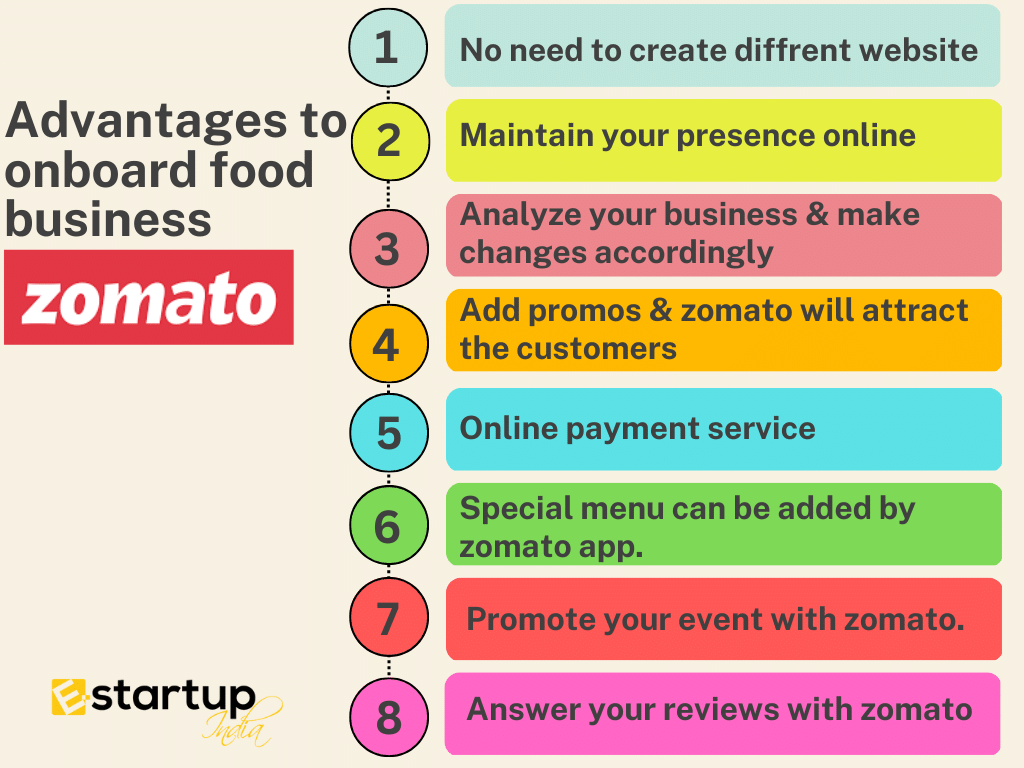
Zomato’s platform offered restaurants unparalleled visibility, particularly for those located in less prominent areas. The ability to list their menus, photos, and promotions on the platform allowed restaurants to reach a wider audience than they could through traditional marketing methods.
The Double-Edged Sword of Commissions and Discounts
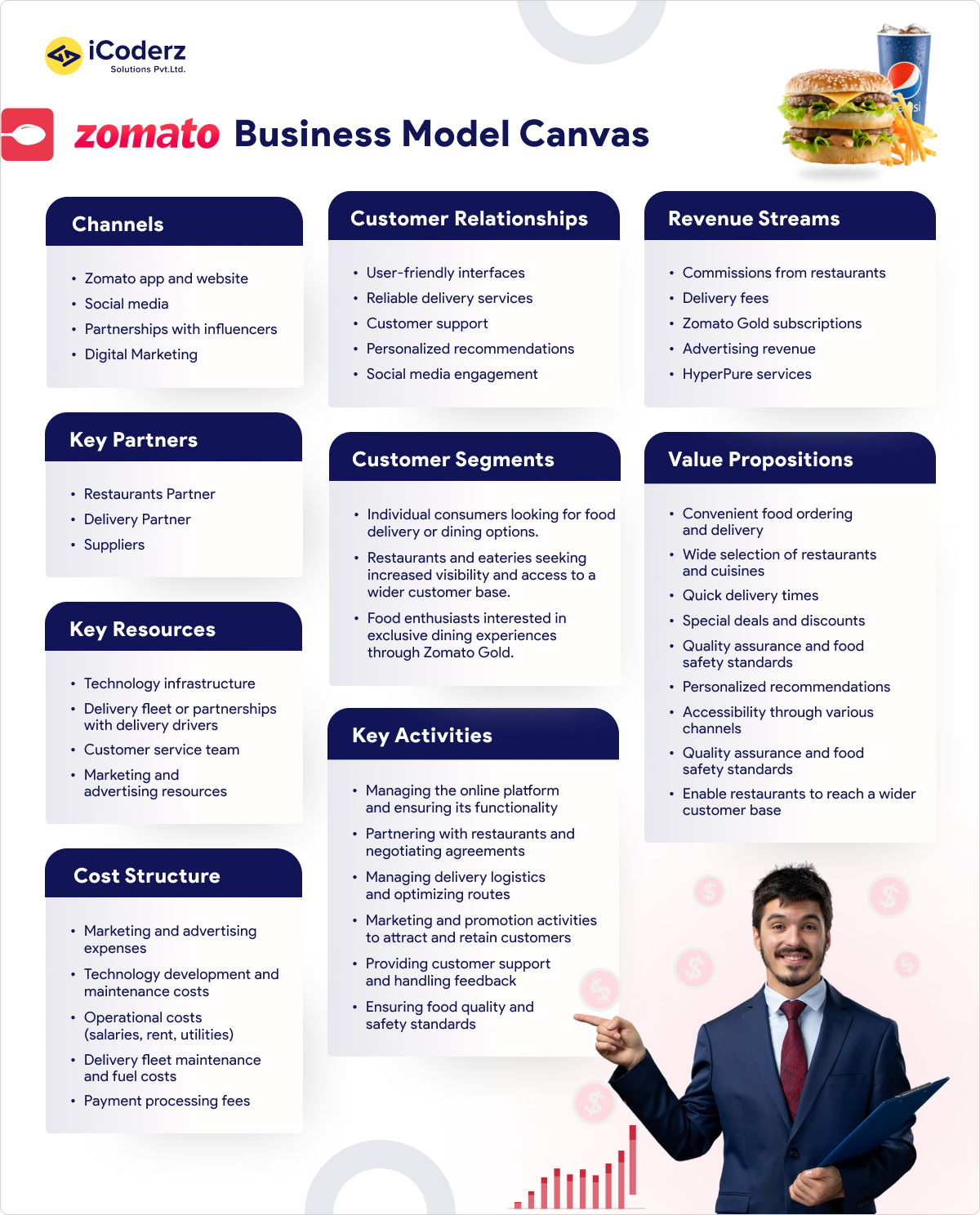
While Zomato’s delivery service offered increased reach, it also came with commission fees that could significantly impact restaurant profitability. The pressure to offer discounts and promotions to attract customers further squeezed profit margins.
The Importance of Online Reputation Management
In the Zomato era, online reputation management became crucial for restaurants. Negative reviews could quickly spread, impacting a restaurant’s image and customer base.
The Rise of Cloud Kitchens and Delivery-Only Models
Zomato’s delivery platform fueled the growth of cloud kitchens, restaurants that operate solely for delivery. These models offered lower overhead costs compared to traditional restaurants, allowing entrepreneurs to enter the food business with less capital.
Zomato Pro and Pro Plus: Loyalty and Exclusive Benefits
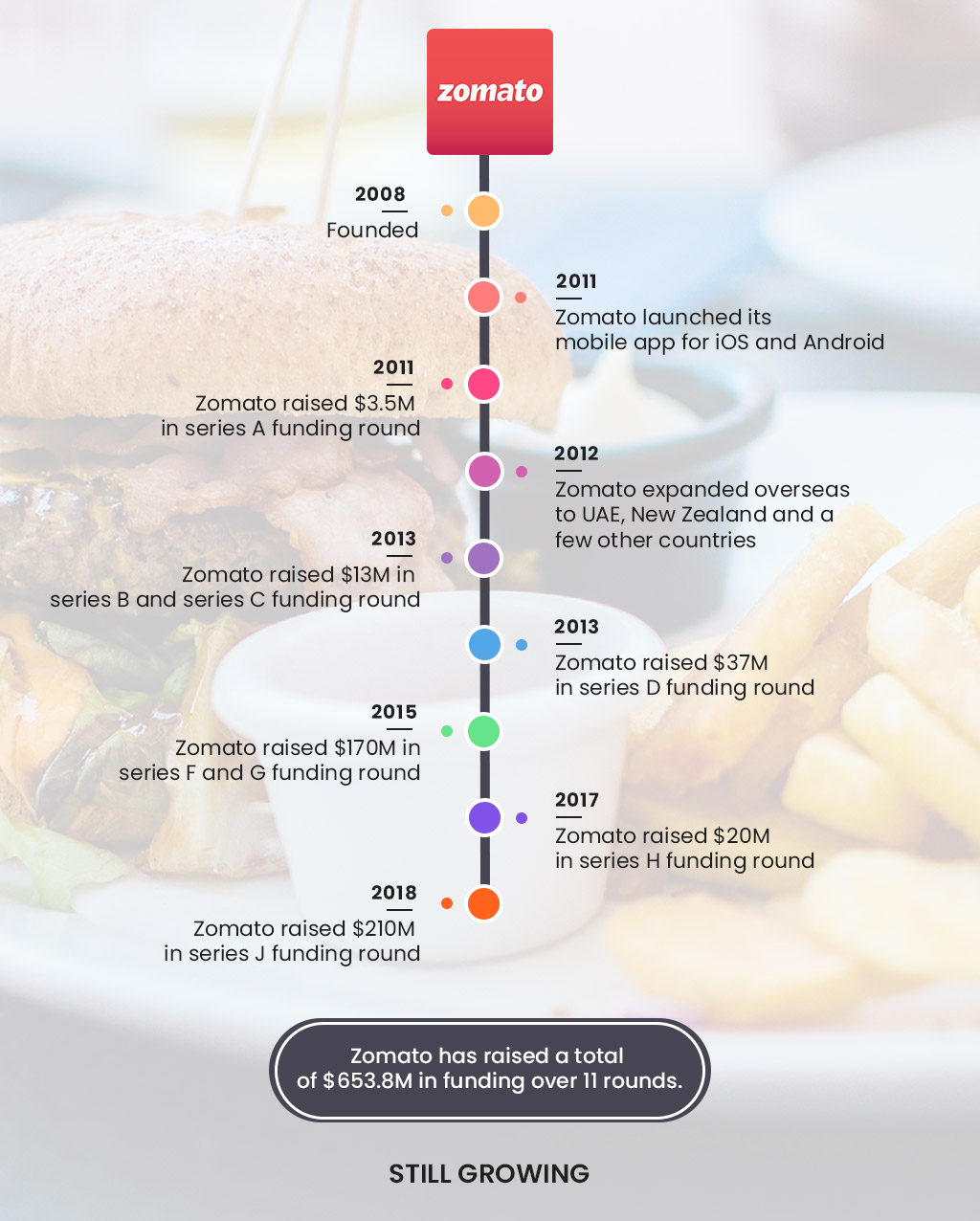
Zomato’s loyalty programs, Pro and Pro Plus, aimed to enhance customer engagement and drive repeat orders. These programs offered exclusive discounts, priority delivery, and other benefits to subscribers.
Grocery Delivery and Quick Commerce: Exploring New Avenues
Zomato’s foray into grocery delivery and quick commerce through acquisitions like Blinkit marked a significant expansion of its business model. This move aimed to capitalize on the growing demand for on-demand grocery delivery and create a comprehensive ecosystem for consumers.
Dining Out and Table Reservations: Reconnecting with the Physical Experience
Despite the focus on delivery, Zomato continued to invest in its dining out platform, offering table reservations, restaurant discovery, and exclusive dining experiences.
The Continued Evolution of Delivery and Quick Commerce
The delivery and quick commerce space is expected to continue evolving, with advancements in technology, logistics, and customer experience.
The Importance of Sustainability and Ethical Practices
As the food delivery industry grows, there is increasing focus on sustainability and ethical practices. This includes reducing packaging waste, ensuring fair wages for delivery partners, and promoting responsible sourcing of ingredients.
The Integration of Technology and Culinary Innovation
Technology will continue to play a crucial role in driving innovation in the food business. This includes the use of artificial intelligence, data analytics, and automation to improve efficiency, personalize customer experiences, and develop new culinary offerings.
The Balance Between Digital and Physical Experiences
While digital platforms have transformed the food business, the importance of physical dining experiences remains. Restaurants will need to find a balance between online and offline strategies, leveraging technology to enhance the dine-in experience and create a seamless customer journey.
In conclusion, Zomato has undeniably reshaped the food business landscape, creating both opportunities and challenges for restaurants and consumers alike. As the industry continues to evolve, Zomato’s role as a key player will remain significant, driving innovation and shaping the future of how we experience food. The ability of the platform to adapt, innovate, and address the evolving needs of its stakeholders will determine its long-term success in the dynamic and ever-changing food business ecosystem.