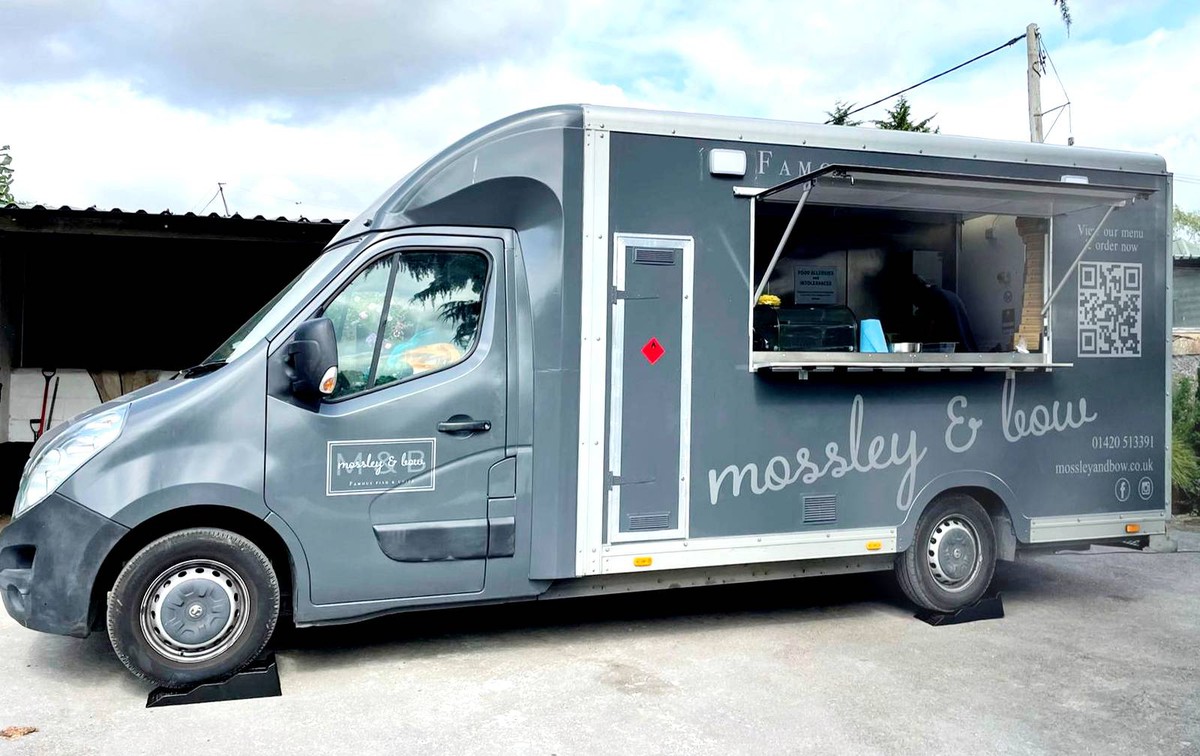
Rolling Dreams: Navigating the Sale of Your food Van business
The aroma of sizzling onions, the vibrant colors of fresh ingredients, the excited chatter of hungry customers – owning a food van is a whirlwind of sensory experiences. But life changes, priorities shift, and the time may come to pass on your mobile culinary empire. Selling a food van business isn’t just about handing over a vehicle; it’s about transferring a dream, a brand, and a loyal customer base. This comprehensive guide will navigate you through the process, ensuring you maximize your return and find the perfect successor.
1. Assessing Your Business: Beyond the Burgers and Fries
Before even considering a sale, a thorough evaluation is crucial. This goes beyond the obvious financial figures.
Financial Health: The Numbers Don’t Lie
Manchester Mobile Catering Business for Sale with Prime Pitch Location
Profit and Loss Statements: Compile detailed P&L statements for the past 2-3 years. This provides a clear picture of revenue, expenses, and profitability.
Balance Sheets: Present a snapshot of your assets and liabilities, including the value of the van, equipment, and inventory.
Cash Flow Analysis: Demonstrate consistent cash flow, highlighting peak seasons and potential areas for growth.
Tax Returns: Ensure all tax filings are up-to-date and readily available for potential buyers.
Operational Assessment: The Engine Room
Menu and Recipes: Document your menu, including detailed recipes and ingredient sourcing. Unique or popular items add significant value.
Customer Base: Analyze your customer demographics and loyalty. Do you have regular customers? Are you catering to a specific niche?
Location and Events: Outline your regular locations, event schedules, and any permits or licenses associated with these locations.
Supplier Relationships: Highlight your relationships with suppliers, including pricing agreements and delivery schedules.
Equipment Inventory: Create a comprehensive inventory of all equipment, including make, model, and condition. Don’t forget smallwares!
Brand and Reputation: The Secret Sauce
Online Presence: Evaluate your website, social media presence, and online reviews. A strong online presence can significantly boost your valuation.
Brand Identity: Consider the value of your brand name, logo, and overall aesthetic.
Customer Feedback: Gather testimonials and reviews to showcase your positive reputation.
2. Preparing Your Business for Sale: Polishing the Diamond
Profitable Business For Sale Restaurant and Catering Mobile
First impressions matter. You want to present your business in its best possible light.
Financial Tidying: Getting Your Books in Order
Clean Up Your Accounting: Ensure all financial records are accurate and up-to-date. Consider hiring an accountant to review your books.
Address Outstanding Debts: Settle any outstanding debts or liabilities to present a clean financial profile.
Organize Documentation: Gather all relevant documents, including permits, licenses, insurance policies, and equipment manuals.
Operational Enhancements: Optimizing for Success
Equipment Maintenance: Ensure all equipment is in good working order. Address any repairs or maintenance issues.
Van Detailing: Thoroughly clean and detail the van, both inside and out. A clean and well-maintained van is more appealing to buyers.
Streamline Processes: Identify and address any inefficiencies in your operations.
Create Operational Manuals: Develop detailed manuals for key processes, including food preparation, customer service, and equipment maintenance.
Brand Enhancement: Building Value
Update Your Website and Social Media: Ensure your online presence is professional and engaging.
Gather Customer Testimonials: Collect positive testimonials and reviews to highlight your brand’s reputation.
Consider a Professional Photo Shoot: High-quality photos of your van, food, and staff can significantly enhance your marketing materials.
Price Reduced! Mobile Catering Van Business in Rutherglen South
3. Valuing Your Business: Finding the Right Price
Pricing your business correctly is crucial. Overpricing can deter potential buyers, while underpricing can leave money on the table.
Asset-Based Valuation: Tangible Assets
Van Valuation: Determine the fair market value of your food van, considering its age, condition, and mileage.
Equipment Valuation: Assess the value of your equipment, considering its age, condition, and replacement cost.
Inventory Valuation: Calculate the value of your current inventory.
Earnings-Based Valuation: Future Potential
Multiple of Earnings: Apply a multiple to your annual earnings (EBITDA or SDE) to determine the business’s value. The multiple will vary depending on the industry, location, and business performance.
Discounted Cash Flow (DCF) Analysis: Project future cash flows and discount them back to their present value. This method is more complex but can provide a more accurate valuation.
Market-Based Valuation: Comparable Sales
Research Comparable Sales: Investigate recent sales of similar food van businesses in your area. This can provide a benchmark for your valuation.
Factors Affecting Valuation: Beyond the Numbers
Location and Market Demand: Prime locations and high demand can significantly increase your valuation.
Brand Recognition and Reputation: A strong brand and positive reputation add significant value.
Established Customer Base: A loyal customer base provides a stable revenue stream.
Growth Potential: Businesses with strong growth potential are more attractive to buyers.
4. Marketing Your Business: Finding the Right Buyer
Reaching potential buyers is essential for a successful sale.
Online Platforms: Casting a Wide Net
Business for Sale Websites: List your business on specialized websites like BizBuySell, BusinessesForSale.com, and LoopNet.
Online Classifieds: Utilize general classifieds websites like Craigslist and Gumtree.
Social Media: Leverage social media platforms like Facebook, LinkedIn, and Instagram to reach potential buyers.
Offline Strategies: Targeted Outreach
Networking: Attend industry events and network with potential buyers.
Business Brokers: Consider hiring a business broker to help you find qualified buyers.
Word of Mouth: Inform your suppliers, customers, and industry contacts about your intention to sell.
Creating a Compelling Listing: Attracting Attention
Detailed Business Description: Provide a comprehensive overview of your business, including its history, operations, and financials.
High-Quality Photos: Include high-quality photos of your van, food, and staff.
Financial Information: Provide key financial information, such as revenue, expenses, and profit margins.
Contact Information: Make it easy for potential buyers to contact you.
5. Negotiating and Closing the Deal: Sealing the Deal
Negotiating the terms of the sale and closing the deal are critical steps in the process.
Negotiation: Finding Common Ground
Be Prepared to Negotiate: Be prepared to negotiate on price, terms, and conditions.
Understand Your Bottom Line: Know your minimum acceptable price and terms.
Consider Seller Financing: Offering seller financing can make your business more attractive to buyers.
Due Diligence: Allow potential buyers to conduct thorough due diligence.
Closing the Deal: Transferring Ownership
Legal Documentation: Hire a lawyer to draft the necessary legal documents, including the purchase agreement and non-compete agreement.
Escrow: Consider using an escrow service to hold funds and documents until all conditions are met.
Training and Transition: Offer training and support to the buyer during the transition period.
Transfer of Permits and Licenses: Ensure all permits and licenses are transferred to the new owner.
6. Post-Sale Considerations: Moving On
After the sale is complete, there are still a few things to consider.
Non-Compete Agreement: Protecting Your Interests
Consider a Non-Compete Agreement: A non-compete agreement can prevent the buyer from directly competing with your business for a specified period.
Customer Transition: Maintaining Relationships
Introduce the New Owner: Introduce the new owner to your customers to ensure a smooth transition.
Provide Contact Information: Provide the new owner with contact information for your suppliers and key customers.
Financial Planning: Managing the Proceeds
Consult with a Financial Advisor: Consult with a financial advisor to manage the proceeds from the sale.
Consider Tax Implications: Understand the tax implications of selling your business.
Selling a food van business is a significant undertaking, but with careful planning and execution, it can be a rewarding experience. By following these steps, you can maximize your return, find the right buyer, and ensure a smooth transition. Good luck with your sale!