The 2025 food Waste Frontier: Navigating the Shifting Sands of business Sustainability
The year 2025 looms large on the horizon, a pivotal point in the global push for sustainability. Within the food industry, this date marks a critical juncture for businesses grappling with the pervasive issue of food waste. The imperative to minimize waste isn’t merely an ethical consideration; it’s a strategic necessity, driven by evolving consumer expectations, stringent regulations, and the undeniable economic benefits of resource efficiency. This article delves into the multifaceted landscape of business food waste in 2025, exploring the key trends, technological advancements, and strategic shifts that will define the industry’s response.
Consumer Consciousness and Brand Reputation
The modern consumer is increasingly discerning, demanding transparency and accountability from the brands they support. Food waste, once a peripheral concern, has become a central tenet of ethical consumption. In 2025, businesses will face heightened scrutiny regarding their waste management practices. Consumers, armed with information and empowered by social media, will actively reward companies that demonstrate a genuine commitment to reducing their environmental footprint. A brand’s reputation will be inextricably linked to its sustainability credentials, making food waste reduction a crucial differentiator in a competitive market.
Tightening Regulatory Frameworks
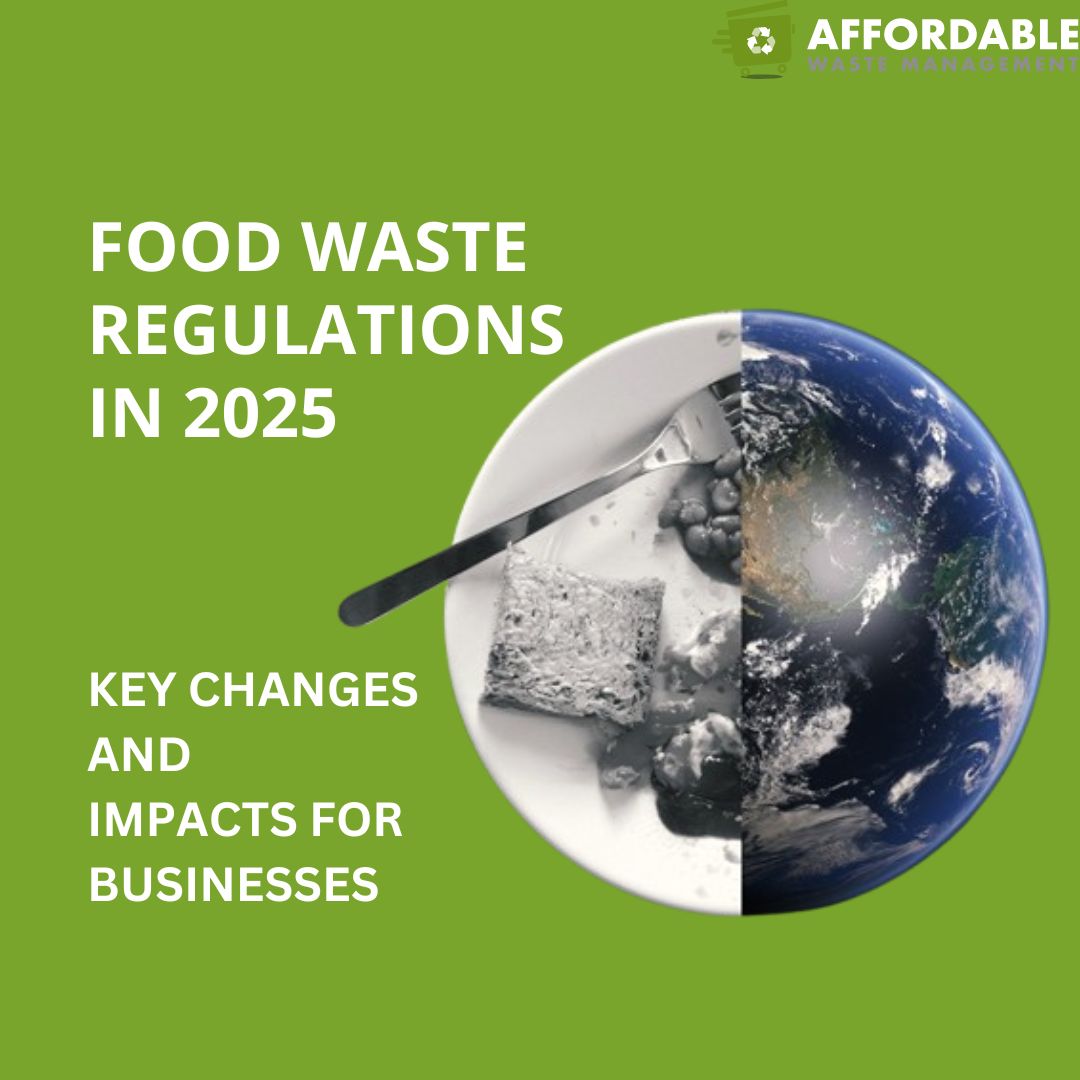
Governments worldwide are implementing stricter regulations to combat food waste. From mandatory reporting requirements to landfill restrictions, businesses will encounter a more stringent regulatory environment in 2025. These regulations will not only impose compliance costs but also drive innovation as companies seek cost-effective and sustainable solutions. The alignment of business practices with evolving legal frameworks will be paramount, requiring proactive adaptation and a long-term vision.
The Economic Imperative of Waste Reduction
Beyond ethical and regulatory considerations, the economic benefits of minimizing food waste will become increasingly apparent. In 2025, businesses will recognize that waste represents lost revenue and wasted resources. By optimizing their supply chains, improving inventory management, and implementing innovative waste reduction strategies, companies can unlock significant cost savings and enhance their bottom line. The transition from a linear to a circular economy model will be driven by both environmental and financial incentives.
Data-Driven Waste Management
The proliferation of data analytics and artificial intelligence (AI) will revolutionize food waste management in 2025. Real-time data on inventory levels, demand fluctuations, and spoilage patterns will enable businesses to make informed decisions, optimize operations, and minimize waste. AI-powered forecasting tools will predict demand more accurately, preventing overproduction and reducing surplus. Smart sensors and IoT devices will monitor food quality and shelf life, providing early warnings of potential spoilage.
Advanced Packaging Solutions

Packaging plays a crucial role in extending the shelf life of food products and reducing waste. In 2025, we will witness the widespread adoption of advanced packaging technologies, including active and intelligent packaging. Active packaging will incorporate antimicrobial agents and oxygen scavengers to inhibit spoilage, while intelligent packaging will provide real-time information on product freshness and safety. Biodegradable and compostable packaging materials will also gain traction, reducing the environmental impact of packaging waste.
Innovative Processing and Upcycling
Food processing technologies will evolve to maximize the utilization of raw materials and minimize waste. In 2025, we will see increased adoption of technologies such as high-pressure processing (HPP) and pulsed electric field (PEF), which extend shelf life and preserve nutritional value. Upcycling, the process of transforming food waste into valuable products, will become a mainstream practice. Businesses will find innovative ways to convert byproducts into animal feed, fertilizers, and even new food products.
Blockchain and Supply Chain Transparency
Blockchain technology will enhance supply chain transparency and traceability, enabling businesses to track food products from farm to fork. In 2025, consumers will demand greater transparency regarding the origin, processing, and handling of their food. Blockchain will provide a secure and immutable record of food products, enabling businesses to identify and address inefficiencies in the supply chain, reducing waste and enhancing food safety.
Supply Chain Optimization

In 2025, businesses will prioritize supply chain optimization to minimize food waste. This will involve closer collaboration with suppliers, improved demand forecasting, and streamlined logistics. Companies will invest in technologies that enhance supply chain visibility and enable real-time tracking of food products. The focus will be on building resilient and agile supply chains that can adapt to changing market conditions and minimize waste.
Retail and Food Service Innovation
Retailers and food service providers will adopt innovative strategies to reduce food waste. This will include dynamic pricing models that incentivize the purchase of near-expiry products, smaller portion sizes, and customized meal options. Restaurants will implement advanced inventory management systems to minimize spoilage and offer “ugly produce” options to reduce waste at the source. Food donation programs will become more widespread, ensuring that surplus food reaches those in need.
Consumer Engagement and Education
Businesses will recognize the importance of engaging and educating consumers about food waste. In 2025, we will see a surge in campaigns and initiatives aimed at raising awareness about the environmental and economic impact of food waste. Companies will provide consumers with practical tips and tools for reducing waste at home, such as meal planning resources and storage guidelines. Educational programs will target schools and communities, fostering a culture of food waste prevention.
Collaboration and Partnerships
Addressing food waste requires a collaborative approach involving businesses, governments, and non-profit organizations. In 2025, we will see the formation of more partnerships and alliances aimed at tackling food waste across the value chain. Businesses will collaborate with technology providers, research institutions, and industry associations to develop and implement innovative solutions. Public-private partnerships will play a crucial role in driving policy changes and promoting sustainable practices.
Infrastructure and Investment
Implementing effective food waste reduction strategies requires significant investment in infrastructure and technology. In 2025, businesses will need to overcome financial barriers and invest in the necessary resources to upgrade their operations. Governments and financial institutions will play a crucial role in providing incentives and support for sustainable investments.
Behavioral Change and Cultural Shifts
Changing consumer behavior and fostering a culture of food waste prevention requires a sustained effort. In 2025, businesses will need to address the cultural norms and habits that contribute to food waste. This will involve education, awareness campaigns, and the development of convenient and accessible solutions.
Global Disparities and Food Security
Food waste is a global issue with significant implications for food security. In 2025, businesses will need to address the disparities in food waste across different regions and socioeconomic groups. This will require a focus on sustainable agriculture, equitable distribution, and the development of solutions that are accessible to all.
The journey towards minimizing food waste is an ongoing process that requires continuous innovation, collaboration, and commitment. In 2025, businesses that embrace sustainability and prioritize food waste reduction will be well-positioned to thrive in a rapidly changing world. By leveraging technology, adopting circular economy principles, and engaging with consumers, businesses can create a more sustainable and resilient food system.
The challenges are significant, but the opportunities are even greater. The year 2025 represents a pivotal moment in the fight against food waste, a chance to create a food future that is both environmentally responsible and economically viable. By working together, businesses, governments, and consumers can build a world where food waste is minimized, resources are conserved, and everyone has access to nutritious and sustainable food.