
Unlocking Engagement: Mastering the VTR Formula in Digital marketing
In the dynamic and fiercely competitive landscape of digital marketing, capturing attention is merely the first step. True success lies in holding that attention and driving meaningful engagement. This is where the Video Through Rate (VTR) formula comes into play, a crucial metric that illuminates how effectively your video content resonates with your audience.
While click-through rates (CTR) measure the initial interest, VTR delves deeper, assessing the actual consumption of your video content. It reveals the percentage of viewers who watched your video to completion or a significant portion thereof. In this comprehensive guide, we’ll dissect the VTR formula, explore its significance, and provide actionable strategies to optimize your video content for maximum engagement.
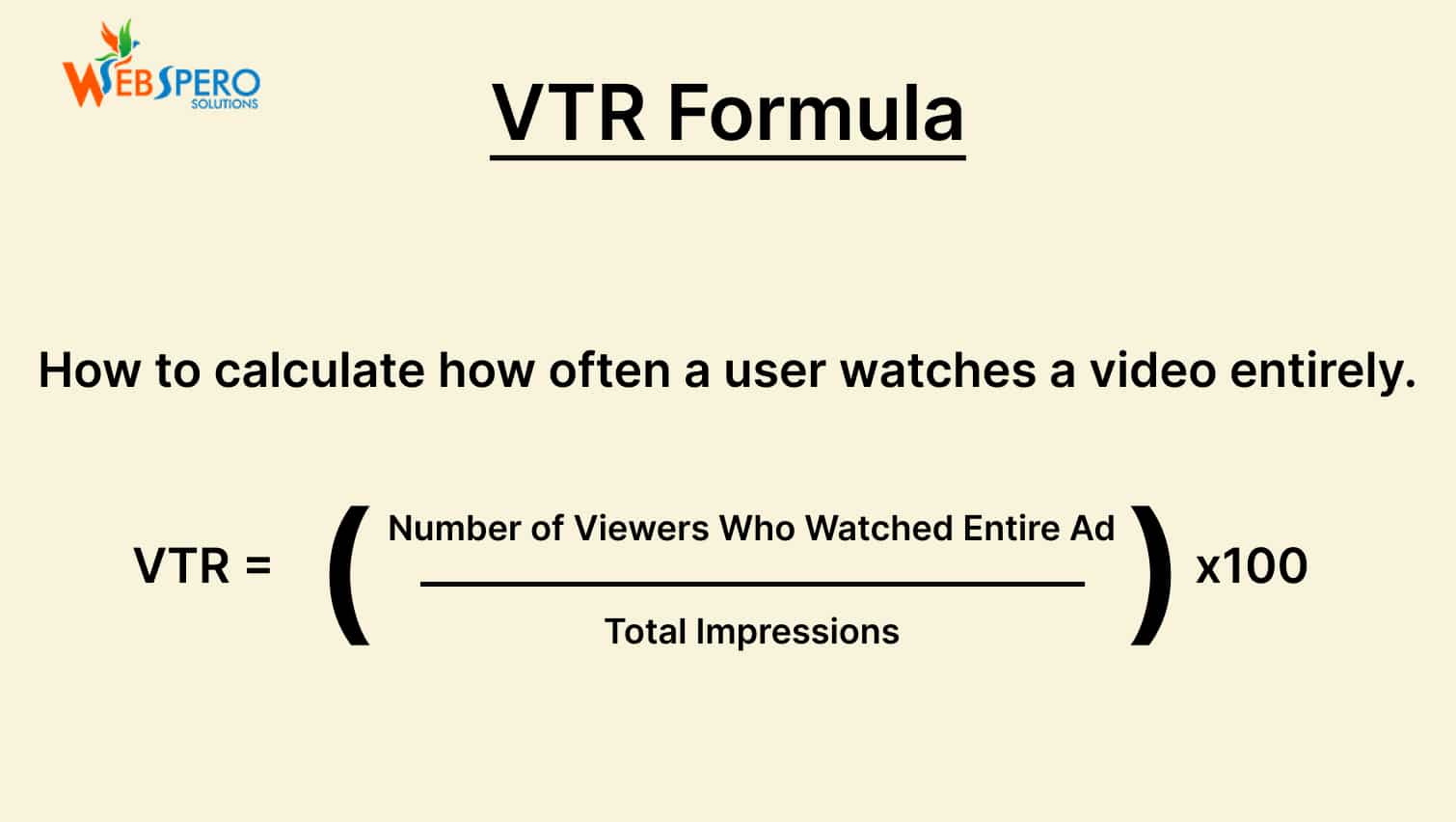
At its core, VTR is calculated by dividing the number of completed video views (or views past a defined point) by the total number of impressions, then multiplying by 100 to express it as a percentage:
Completed Views: This refers to the number of viewers who watched the video to its conclusion or reached a specific point you’ve deemed significant.
A high VTR indicates that your video content is compelling and engaging, effectively holding viewers’ attention. Conversely, a low VTR suggests that your video may not be resonating with your audience and requires optimization.
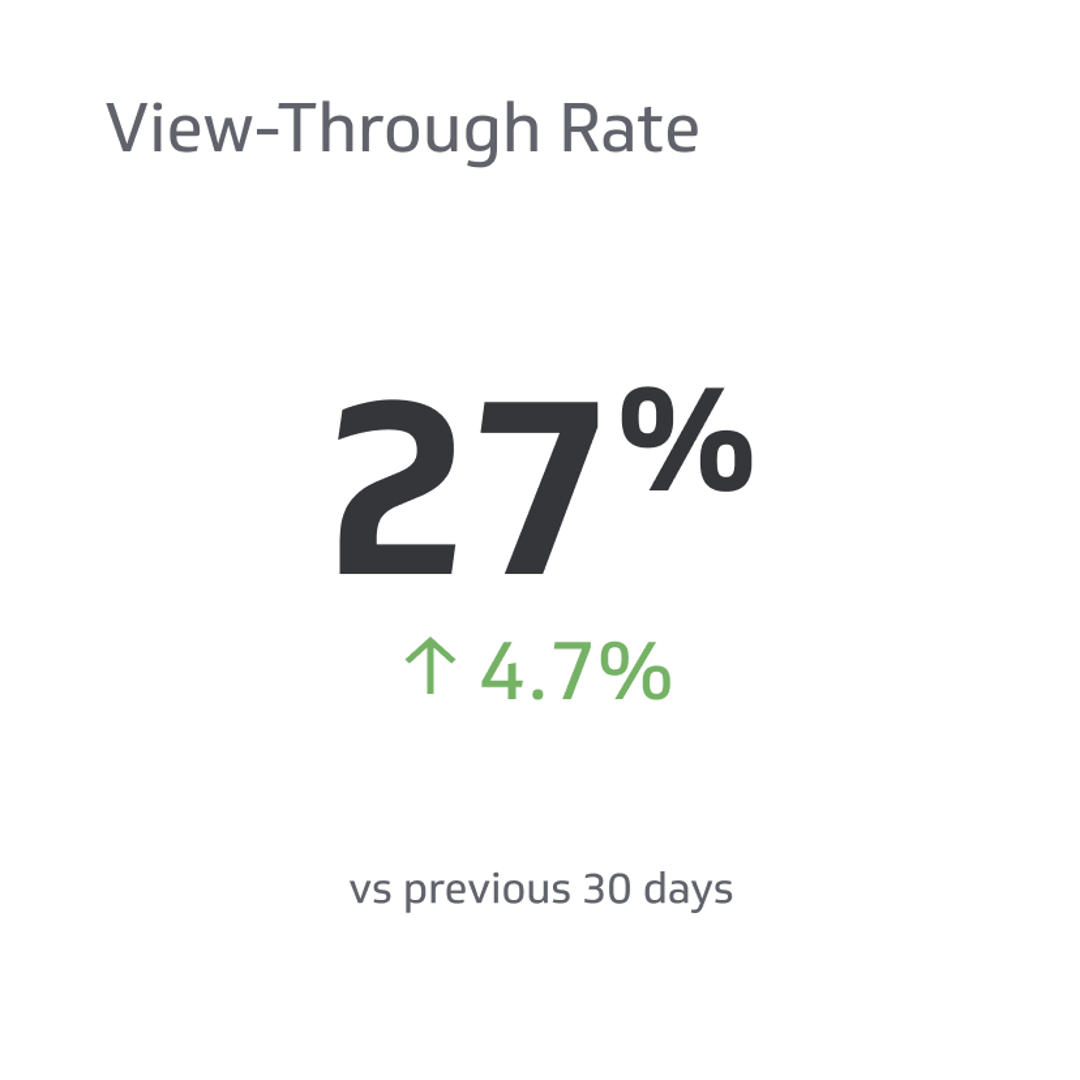
VTR serves as a critical indicator of video content performance and provides valuable insights into audience behavior. Here’s why it’s essential for digital marketers:
1. Gauging Audience Engagement
VTR directly reflects how engaging your video content is. A high VTR signifies that viewers are interested in your message and are willing to invest their time in watching it. This metric helps you understand what resonates with your audience and refine your content strategy accordingly.
2. Measuring Content Relevance
VTR provides insights into the relevance of your video content to your target audience. If viewers are dropping off early, it suggests that your video may not be aligned with their interests or expectations. By analyzing VTR, you can ensure that your content is tailored to your audience’s needs and preferences.
3. Optimizing Ad Spend
For video advertising campaigns, VTR is a crucial metric for optimizing ad spend. A high VTR indicates that your ads are effectively capturing attention and driving engagement, justifying your investment. Conversely, a low VTR suggests that your ads may need to be revised or targeted more effectively.
4. Improving Brand Awareness
Engaging video content can significantly enhance brand awareness and recognition. By creating videos that resonate with your audience, you can increase brand recall and foster positive brand associations.
5. Enhancing Conversion Rates
VTR can indirectly impact conversion rates. Engaging video content can guide viewers through the customer journey, leading to increased conversions. By optimizing VTR, you can improve the effectiveness of your video marketing efforts and drive more sales.
Several factors can influence VTR, including:
1. Video Content Quality
The quality of your video content is paramount. High-quality videos with compelling visuals, engaging storytelling, and clear messaging are more likely to hold viewers’ attention and increase VTR.
2. Video Length
Video length can significantly impact VTR. Shorter videos tend to have higher VTRs, as viewers are more likely to watch them to completion. However, longer videos can also be effective if they provide valuable and engaging content.
3. Video Thumbnail and Title
The video thumbnail and title are the first elements viewers see. A compelling thumbnail and title can attract attention and encourage viewers to click on your video.
4. Target Audience
Understanding your target audience is crucial for creating relevant and engaging video content. By tailoring your videos to your audience’s interests and preferences, you can increase VTR.
5. Platform and Placement
The platform and placement of your video can also influence VTR. Videos placed on platforms where your target audience spends time are more likely to be viewed. Similarly, videos placed in prominent positions are more likely to attract attention.
6. Video Introduction
The first few seconds of your video are crucial for capturing viewers’ attention. A strong introduction can pique interest and encourage viewers to watch further.
7. Call to Action (CTA)
A clear and compelling CTA can encourage viewers to take action after watching your video. This can include visiting your website, subscribing to your channel, or making a purchase.
To maximize VTR and enhance the effectiveness of your video marketing efforts, consider implementing the following strategies:
1. Create High-Quality Content
Invest in producing high-quality video content that is visually appealing, engaging, and informative. Use professional equipment, ensure clear audio, and create compelling visuals.
2. Tell a Story
Storytelling is a powerful tool for engaging viewers. Craft narratives that resonate with your audience and evoke emotions.
3. Keep Videos Concise
Aim for shorter videos that deliver your message effectively. Avoid unnecessary filler and get to the point quickly.
4. Optimize Thumbnails and Titles
Create eye-catching thumbnails and compelling titles that accurately reflect the content of your video.
5. Target Your Audience
Tailor your video content to your target audience’s interests and preferences. Use demographic and psychographic data to refine your targeting.
6. Optimize for Mobile
Ensure that your videos are optimized for mobile devices, as a significant portion of video consumption occurs on smartphones and tablets.
7. Use Captions and Subtitles
Add captions and subtitles to your videos to make them accessible to a wider audience and improve engagement.
8. Optimize for Platform
Tailor your videos to the specific requirements and best practices of each platform you use.
9. Analyze and Iterate
Regularly analyze your VTR data to identify areas for improvement. Experiment with different content formats, lengths, and styles to optimize your videos.
10. Use Interactive Elements
Incorporate interactive elements such as polls, quizzes, and clickable annotations to increase engagement and encourage viewer participation.
11. Build Anticipation
Tease upcoming videos and create anticipation to encourage viewers to watch your content when it’s released.
12. Leverage Influencer Marketing
Collaborate with influencers to create video content that resonates with their followers and expands your reach.
13. Promote Your Videos
Promote your videos across various channels, including social media, email marketing, and paid advertising.
14. Use A/B Testing
Experiment with different video elements, such as thumbnails, titles, and intros, to determine what resonates best with your audience.
15. Focus on Value
Provide valuable and informative content that addresses your audience’s needs and interests.
To effectively track and analyze VTR, utilize the analytics tools provided by video platforms such as YouTube, Facebook, and Vimeo. These tools provide insights into various metrics, including:
View Duration: The average amount of time viewers spend watching your video.
By analyzing these metrics, you can gain a deeper understanding of your audience’s behavior and identify areas for improvement.
VTR is a vital metric for digital marketers seeking to maximize engagement and optimize video content. By understanding the factors that influence VTR and implementing effective optimization strategies, you can create videos that resonate with your audience, enhance brand awareness, and drive conversions. In the ever-evolving landscape of digital marketing, mastering the VTR formula is essential for achieving video marketing success.


