From Cart to Community: Navigating the food Vendor business
The tantalizing aroma of sizzling spices, the vibrant colors of fresh produce, the rhythmic clatter of utensils – these are the hallmarks of the food vendor business, a dynamic and often challenging world where passion and entrepreneurial spirit meet the demands of hungry customers. Whether it’s a humble hot dog stand on a bustling city corner or a gourmet food truck at a weekend festival, food vendors are essential threads in the tapestry of our culinary landscape. This article delves into the multifaceted aspects of this business, exploring its opportunities, challenges, and the key ingredients for success.
The appeal of the food vendor business is undeniable. It offers:
Low Barrier to Entry
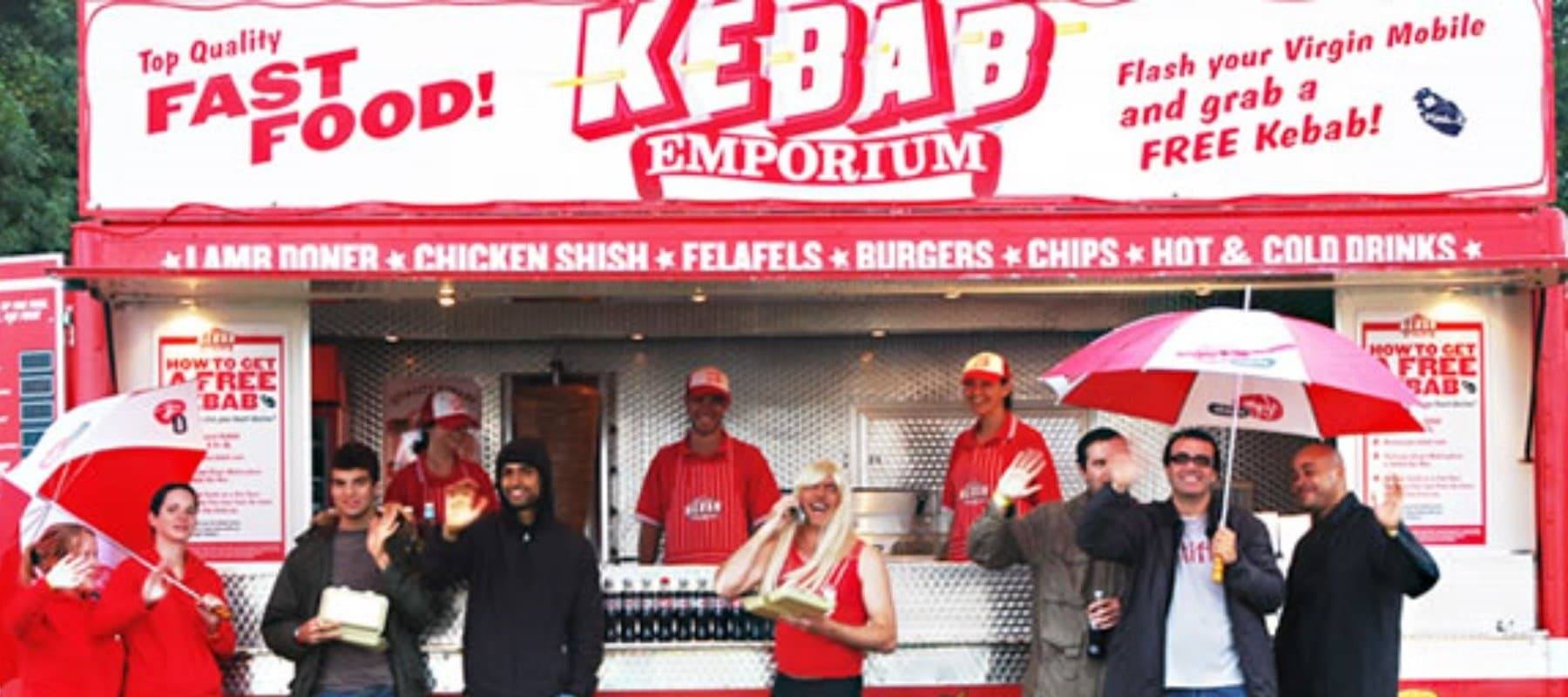
Compared to brick-and-mortar restaurants, food vending often requires significantly less initial investment. A cart, trailer, or tent, along with essential equipment, can be acquired for a fraction of the cost. This accessibility makes it an attractive option for aspiring entrepreneurs with limited capital.
Flexibility and Independence
Food vendors often enjoy greater flexibility in their schedules and locations. They can choose to operate during peak hours, participate in events, and tailor their offerings to suit specific markets. This independence allows for greater control over their work-life balance.
Direct Customer Interaction

Unlike traditional restaurants, food vendors have the unique opportunity to interact directly with their customers. This direct engagement fosters a personal connection, allowing for immediate feedback and the development of loyal clientele. This personal touch can be a significant competitive advantage.
Creative Freedom
Food vending provides a platform for culinary creativity. Vendors can experiment with unique recipes, cater to specific dietary needs, and showcase their cultural heritage through their food. This freedom allows for a constant evolution of the menu and a personalized culinary experience.
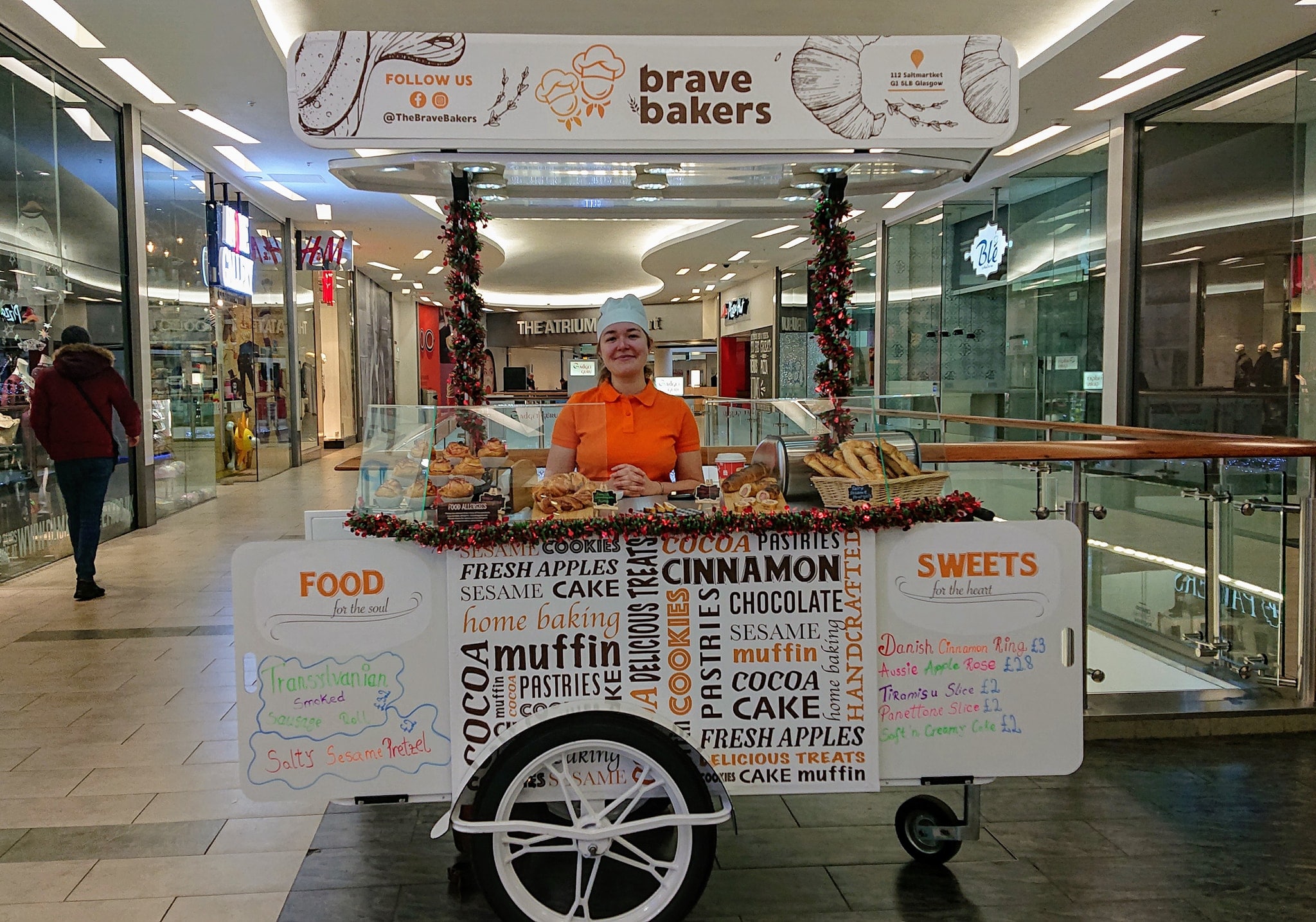
However, the path to success in the food vendor business is not without its obstacles.
Regulatory Hurdles
Navigating the complex web of local regulations and permits can be a daunting task. Food vendors must comply with health codes, licensing requirements, and zoning restrictions, which vary significantly from place to place. This necessitates thorough research and meticulous record-keeping.
Weather Dependency
Outdoor food vending is inherently susceptible to weather conditions. Rain, wind, and extreme temperatures can significantly impact customer traffic and operational efficiency. This requires vendors to be adaptable and have contingency plans in place.
Competition and Saturation
The popularity of the food vendor business has led to increased competition in many areas. Standing out from the crowd requires a unique selling proposition, a compelling brand, and a consistent commitment to quality and service.
Logistical Complexities
Managing inventory, transportation, and setup can be logistically challenging, especially for vendors operating in multiple locations. Ensuring a consistent supply of fresh ingredients and maintaining equipment in optimal condition are crucial for smooth operations.
Seasonal Fluctuations
Many food vendors experience seasonal fluctuations in demand, with peak periods often coinciding with festivals, events, and warmer weather. This necessitates careful financial planning and the ability to adapt to varying levels of business.
Despite the challenges, many food vendors achieve remarkable success. Here are some key ingredients for a thriving business:
Crafting a Unique Culinary Identity
Defining Your Niche
Identifying a specific niche or culinary focus is essential for differentiating your business. This could involve specializing in a particular cuisine, catering to dietary restrictions, or offering unique flavor combinations.
Developing a Signature Menu
Creating a menu that showcases your culinary expertise and caters to your target audience is crucial. This involves experimenting with recipes, sourcing high-quality ingredients, and offering a balance of familiar favorites and innovative creations.
Branding and Presentation
Developing a strong brand identity, including a memorable name, logo, and visual aesthetic, is essential for creating a lasting impression. The presentation of your food and your stall or truck should be visually appealing and reflect your brand values.
Building a Strong Operational Foundation
Strategic Location Selection
Choosing the right location is paramount for maximizing customer traffic. Factors to consider include foot traffic, accessibility, competition, and local demographics. Researching potential locations and obtaining necessary permits is crucial.
Efficient Inventory Management
Maintaining a consistent supply of fresh ingredients and minimizing waste is essential for profitability. Implementing a system for tracking inventory and forecasting demand can help optimize stock levels.
Equipment Maintenance and Hygiene
Ensuring that your equipment is in optimal condition and adhering to strict hygiene standards is crucial for food safety and operational efficiency. Regular maintenance and cleaning are essential.
Financial Management and Planning
Developing a comprehensive business plan, tracking expenses, and managing cash flow are essential for financial stability. Setting realistic pricing, controlling costs, and reinvesting profits are crucial for long-term growth.
Cultivating Customer Relationships
Providing Exceptional Customer Service
Creating a positive and memorable customer experience is essential for building loyalty. This involves providing friendly and efficient service, offering personalized recommendations, and addressing customer concerns promptly.
Engaging with the Community
Participating in local events, collaborating with other businesses, and engaging with customers on social media can help build brand awareness and foster a sense of community. Building relationships with local suppliers can also be beneficial.
Gathering and Responding to Feedback
Actively seeking customer feedback and responding to it constructively is crucial for continuous improvement. This can involve conducting surveys, monitoring online reviews, and engaging in direct conversations with customers.
Embracing Innovation and Adaptability
Staying Abreast of Trends
Keeping up with the latest culinary trends and customer preferences is essential for staying relevant. This involves experimenting with new recipes, incorporating seasonal ingredients, and adapting to evolving dietary needs.
Leveraging Technology
Utilizing technology, such as online ordering platforms, mobile payment systems, and social media marketing, can help streamline operations and enhance customer engagement.
Adapting to Change
The food vendor business is dynamic and constantly evolving. Being adaptable and responsive to change is crucial for long-term success. This may involve adjusting your menu, location, or business model in response to market conditions.
The food vendor business is poised for continued growth and innovation. As consumers increasingly seek unique culinary experiences and convenient dining options, food vendors are well-positioned to meet these demands. The rise of food delivery platforms and the growing popularity of food festivals and markets are further fueling this trend.
The future of food vending will likely be characterized by:
Increased Specialization
Vendors will continue to specialize in niche cuisines and dietary offerings, catering to specific customer preferences and needs.
Enhanced Technology Integration
Technology will play an increasingly important role in streamlining operations, enhancing customer engagement, and expanding market reach.
Sustainable Practices
Consumers are increasingly demanding sustainable and ethical food practices. Vendors will need to adopt environmentally friendly packaging, source local ingredients, and minimize waste.
Community Focus
Food vendors will continue to play a vital role in fostering community connections and supporting local economies.
The food vendor business is a testament to the entrepreneurial spirit and the enduring appeal of good food. By embracing innovation, cultivating customer relationships, and building a strong operational foundation, food vendors can transform their passion into a thriving and fulfilling career.