The Unseen Harvest: Revolutionizing business food Waste Collection
Food waste. It’s a global epidemic, a silent thief stealing resources, polluting our planet, and undermining food security. While households play a significant role, businesses, particularly those in the food service industry, are major contributors. Restaurants, supermarkets, hotels, and catering companies generate vast quantities of edible and inedible food scraps daily, often destined for landfills. However, a growing movement is transforming this waste stream into a valuable resource, driven by environmental consciousness, economic incentives, and evolving regulations. This article delves into the intricacies of business food waste collection, exploring its challenges, solutions, and the transformative impact it holds.
The sheer volume of food waste generated by businesses is staggering. To grasp the scale, consider:
Restaurants and Catering: A Culinary Wasteland
Restaurants, catering services, and food production facilities face unique challenges. From over-preparation and plate waste to expired ingredients and trimmings, the opportunities for waste are abundant. Fluctuating customer demand, inconsistent portion control, and a lack of standardized waste management practices exacerbate the problem.
Supermarkets and Retail: Shelf-Life Struggles
Supermarkets grapple with the complexities of managing perishable goods. Produce, dairy, meat, and baked goods often exceed their shelf life before being sold, leading to significant losses. Cosmetic standards further contribute to waste, as imperfect-looking fruits and vegetables are discarded despite their edibility.
Hotels and Hospitality: Buffet Battles
Hotels, particularly those with buffet-style dining, face the challenge of providing abundant options while minimizing waste. Large-scale events and conferences also contribute to significant food waste, as catering companies often overestimate quantities to ensure ample supply.

The consequences of unchecked food waste are far-reaching:
Environmental Degradation: Landfills and Greenhouse Gases
When food waste ends up in landfills, it decomposes anaerobically, releasing methane, a potent greenhouse gas. Landfills also contribute to soil and water contamination. Furthermore, the resources used to produce, transport, and store wasted food are squandered, leading to unnecessary environmental impact.
Economic Losses: Wasted Resources and Operational Inefficiencies
Food waste represents a significant financial burden for businesses. The cost of purchasing, storing, and disposing of wasted food directly impacts profitability. Moreover, inefficient waste management practices can lead to higher operational costs and missed opportunities for resource recovery.

To mitigate the impact of business food waste, effective collection and management systems are crucial. These systems involve a multi-faceted approach, encompassing:
Waste Audits and Assessments: Understanding the Waste Stream
The first step towards effective waste management is conducting a thorough waste audit. This involves analyzing the types and quantities of food waste generated, identifying sources of waste, and assessing current waste management practices. This data provides valuable insights for developing targeted solutions.
Source Separation and Segregation: Optimizing Collection
Implementing a source separation system is essential for efficient food waste collection. This involves segregating food waste from other waste streams, such as general waste and recyclables. Color-coded bins and clear signage can facilitate proper segregation.
Dedicated Food Waste Collection Bins: Hygienic and Efficient
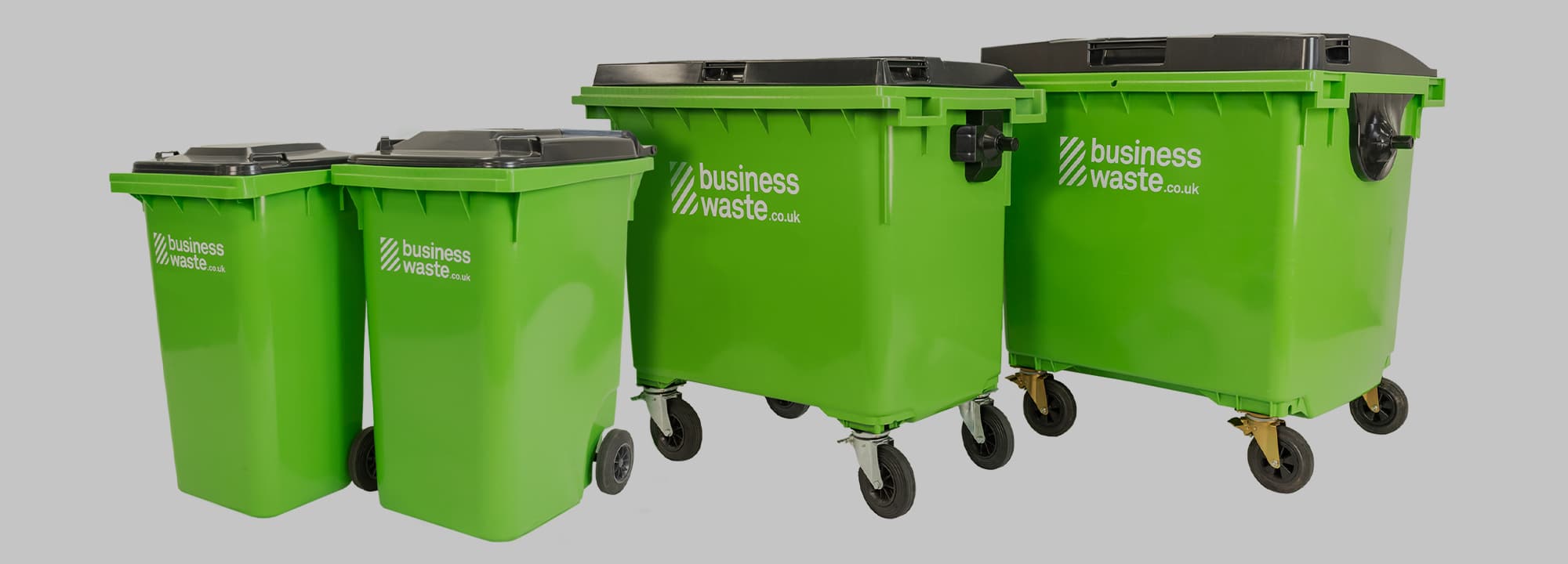
Providing dedicated food waste collection bins in strategic locations, such as kitchens, food preparation areas, and dining areas, ensures convenient and hygienic disposal. These bins should be leak-proof, easy to clean, and equipped with secure lids to prevent odors and pest infestations.
Regular Collection Schedules: Preventing Accumulation
Establishing regular collection schedules is crucial for preventing the accumulation of food waste and minimizing odors. The frequency of collection should be determined based on the volume of waste generated and the type of food being disposed of.
Specialized Collection Vehicles: Ensuring Safe Transport
Specialized collection vehicles equipped with leak-proof containers and odor control systems are necessary for transporting food waste to processing facilities. These vehicles should be regularly cleaned and maintained to ensure hygienic operation.
Once collected, food waste can be processed through various methods, each offering unique benefits:
Composting: Turning Waste into Nutrient-Rich Fertilizer
Composting involves the aerobic decomposition of organic waste, including food waste, into a nutrient-rich soil amendment. On-site composting systems are suitable for smaller businesses, while larger operations may utilize centralized composting facilities.
Anaerobic Digestion: Generating Biogas and Digestate
Anaerobic digestion is a process that breaks down organic waste in the absence of oxygen, producing biogas, a renewable energy source, and digestate, a nutrient-rich fertilizer. This technology is particularly suitable for large-scale food waste processing.
Rendering: Processing Animal By-Products
Rendering involves processing animal by-products, such as meat scraps and bones, into valuable products like animal feed and tallow. This process is commonly used by meat processing plants and slaughterhouses.
Donation and Redistribution: Addressing Food Insecurity
Donating surplus edible food to food banks and charities is a crucial aspect of food waste reduction. This practice not only reduces waste but also helps address food insecurity in communities.
Implementing effective food waste collection systems requires overcoming several challenges:
Infrastructure and Logistics: Investing in Collection and Processing Facilities
Developing adequate infrastructure and logistics for food waste collection and processing is essential. This includes investing in collection vehicles, composting facilities, and anaerobic digestion plants.
Cost Considerations: Balancing Environmental and Economic Factors
While food waste collection and processing can yield significant environmental and economic benefits, the initial investment and operational costs can be a barrier for some businesses. Exploring cost-effective solutions and leveraging government incentives can help address this challenge.
Behavioral Change: Educating and Engaging Stakeholders
Successful food waste management requires behavioral change among employees, customers, and other stakeholders. Educating and engaging these groups through training programs, awareness campaigns, and incentives is crucial.
Regulatory Frameworks: Establishing Clear Standards and Guidelines
Clear and consistent regulatory frameworks are essential for promoting food waste reduction and ensuring compliance. Governments can play a crucial role in establishing standards for food waste collection, processing, and disposal.
The future of business food waste collection lies in embracing a circular economy approach, where waste is viewed as a valuable resource. This involves:
Technological Innovations: Smart Bins and Data Analytics
Technological advancements, such as smart bins equipped with sensors and data analytics platforms, can optimize food waste collection and processing. These technologies can track waste generation patterns, identify areas for improvement, and automate collection schedules.
Collaboration and Partnerships: Building a Sustainable Ecosystem
Collaboration and partnerships among businesses, government agencies, and non-profit organizations are essential for creating a sustainable food waste management ecosystem. Sharing best practices, pooling resources, and developing joint initiatives can accelerate progress.
Policy Incentives: Encouraging Sustainable Practices
Governments can incentivize sustainable food waste management practices through policies such as tax breaks, grants, and subsidies. These incentives can encourage businesses to invest in food waste reduction and processing technologies.
Consumer Awareness: Driving Demand for Sustainable Practices
Raising consumer awareness about the importance of food waste reduction can drive demand for sustainable practices among businesses. Consumers can support businesses that prioritize food waste management and make informed choices about their food purchases.
Business food waste collection is not just an environmental imperative; it’s an economic opportunity and a social responsibility. By implementing effective collection systems, embracing innovative processing technologies, and fostering collaboration, businesses can transform food waste from a liability into a valuable resource. This shift towards a circular economy will not only reduce environmental impact and improve resource efficiency but also contribute to a more sustainable and equitable food system for all. The unseen harvest awaits, offering a chance to cultivate a greener, more responsible future.