Building a Delicious Online Presence: Your Comprehensive Guide to a Successful foodbusiness Website
In today’s digital age, a compelling online presence is no longer a luxury for food businesses, it’s a necessity. Whether you’re a cozy cafe, a bustling restaurant, a gourmet food producer, or a passionate home baker, your website is your digital storefront, your menu, and your brand ambassador all rolled into one. This comprehensive guide will walk you through the essential elements of creating a thriving food business website that attracts customers, builds loyalty, and drives sales.
1. Defining Your Brand and Target Audience:
Before diving into design and development, take a step back and define your brand identity. What makes your food unique? What story do you want to tell? Who are your ideal customers? Understanding these fundamentals will shape your website’s messaging, visual style, and overall user experience.
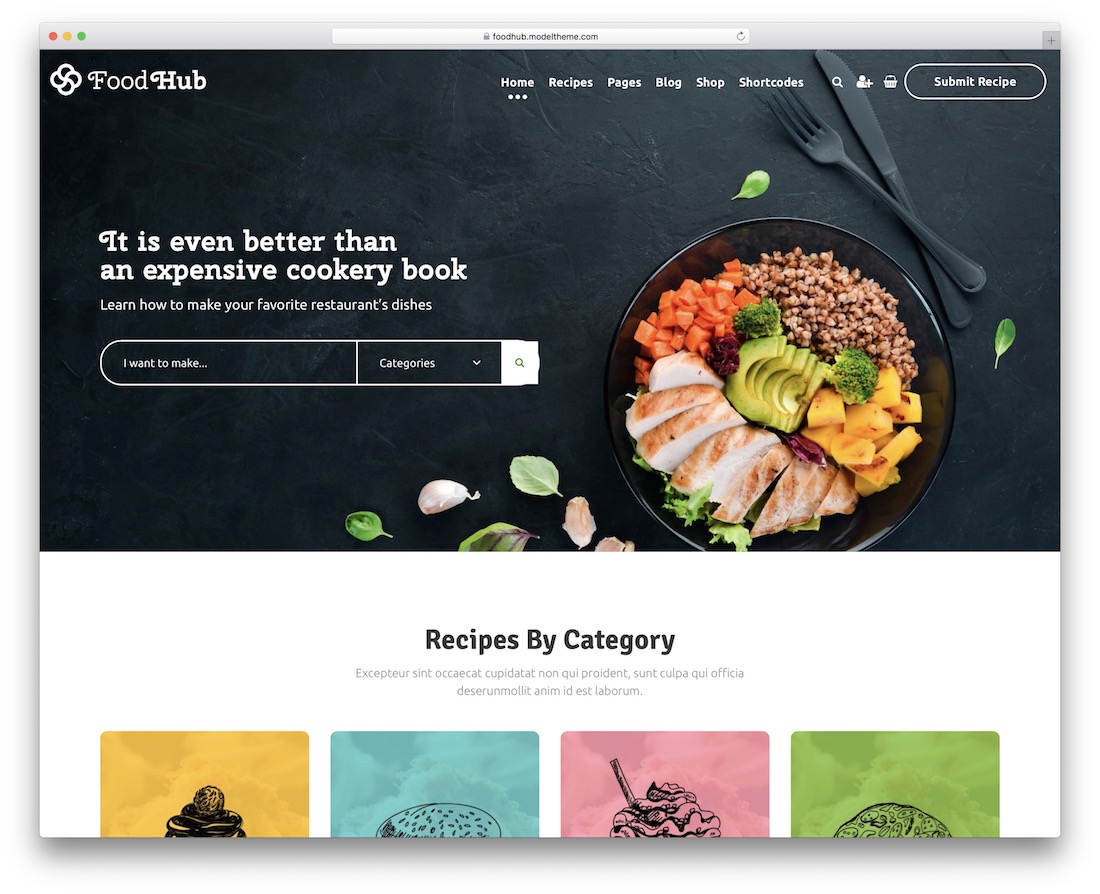
Best Food Website Templates – Colorlib
Brand Story: Craft a compelling narrative that resonates with your audience. Share your passion, your sourcing philosophy, and the unique history behind your food.
Target Audience: Identify your ideal customer’s demographics, preferences, and online behavior. Tailor your website’s content and design to appeal to their specific needs and interests.
Unique Selling Proposition (USP): What sets you apart from your competitors? Highlight your unique ingredients, cooking techniques, or customer service.
2. Choosing the Right Platform and Domain Name:
Selecting the right platform and domain name is crucial for your website’s foundation.
Platform Options:
WordPress: A versatile and highly customizable platform with a vast library of themes and plugins. Ideal for businesses seeking flexibility and scalability.
Squarespace: A user-friendly platform with beautiful templates and integrated e-commerce features. Suitable for businesses prioritizing aesthetics and ease of use.
Wix: A drag-and-drop website builder that offers a wide range of templates and features. Great for beginners seeking a quick and easy solution.
Specialized Platforms: Consider platforms specifically designed for restaurants (e.g., BentoBox, GloriaFood) or food producers (e.g., Shopify, BigCommerce) for industry-specific functionalities.
Domain Name:
Choose a domain name that is easy to remember, pronounce, and spell.
Reflect your brand name or a relevant keyword.
Opt for a “.com” domain if possible.
Check for availability and register your domain name through a reputable registrar.
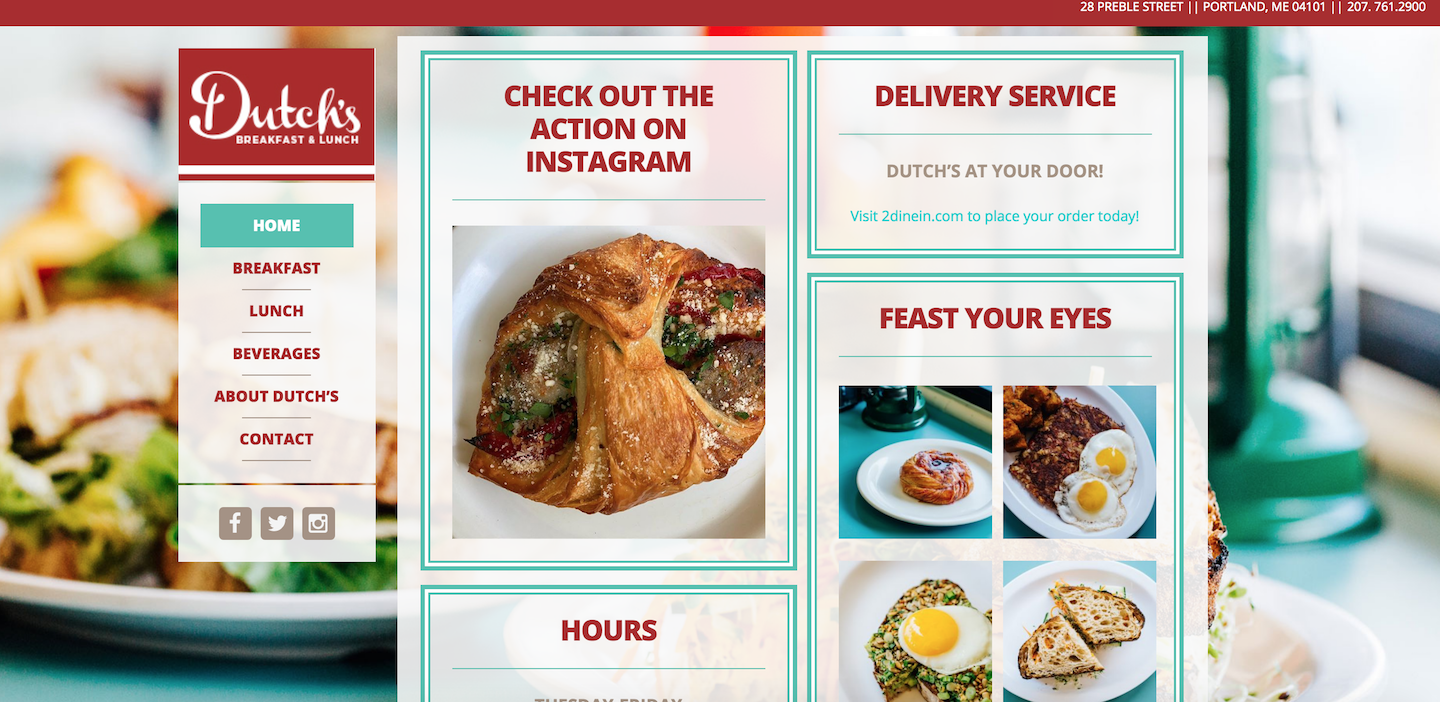
The Best Restaurant Website Design Examples ()
3. Essential Website Elements:
Your food business website should include the following essential elements:
Homepage: Your Digital Welcome Mat
High-Quality Visuals: Use captivating images and videos of your food, your restaurant, or your production process.
Clear and Concise Messaging: Highlight your brand’s USP and key offerings.
Call to Action (CTA): Encourage visitors to take specific actions, such as “Order Now,” “Book a Table,” or “View Menu.”
Navigation: Ensure easy navigation to other pages.
Mobile Responsiveness: Make sure the website looks good and functions well on all devices.
Menu/Product Page: Showcasing Your Culinary Creations
Detailed Descriptions: Provide clear and enticing descriptions of each menu item or product, including ingredients, preparation methods, and dietary information.
High-Resolution Images: Use mouthwatering images to showcase your food.
Pricing: Clearly display pricing information.
Online Ordering/E-commerce: Integrate online ordering or e-commerce functionality for seamless transactions.
Filtering and Search: Implement filtering and search options to help customers find what they’re looking for.
About Us Page: Telling Your Story
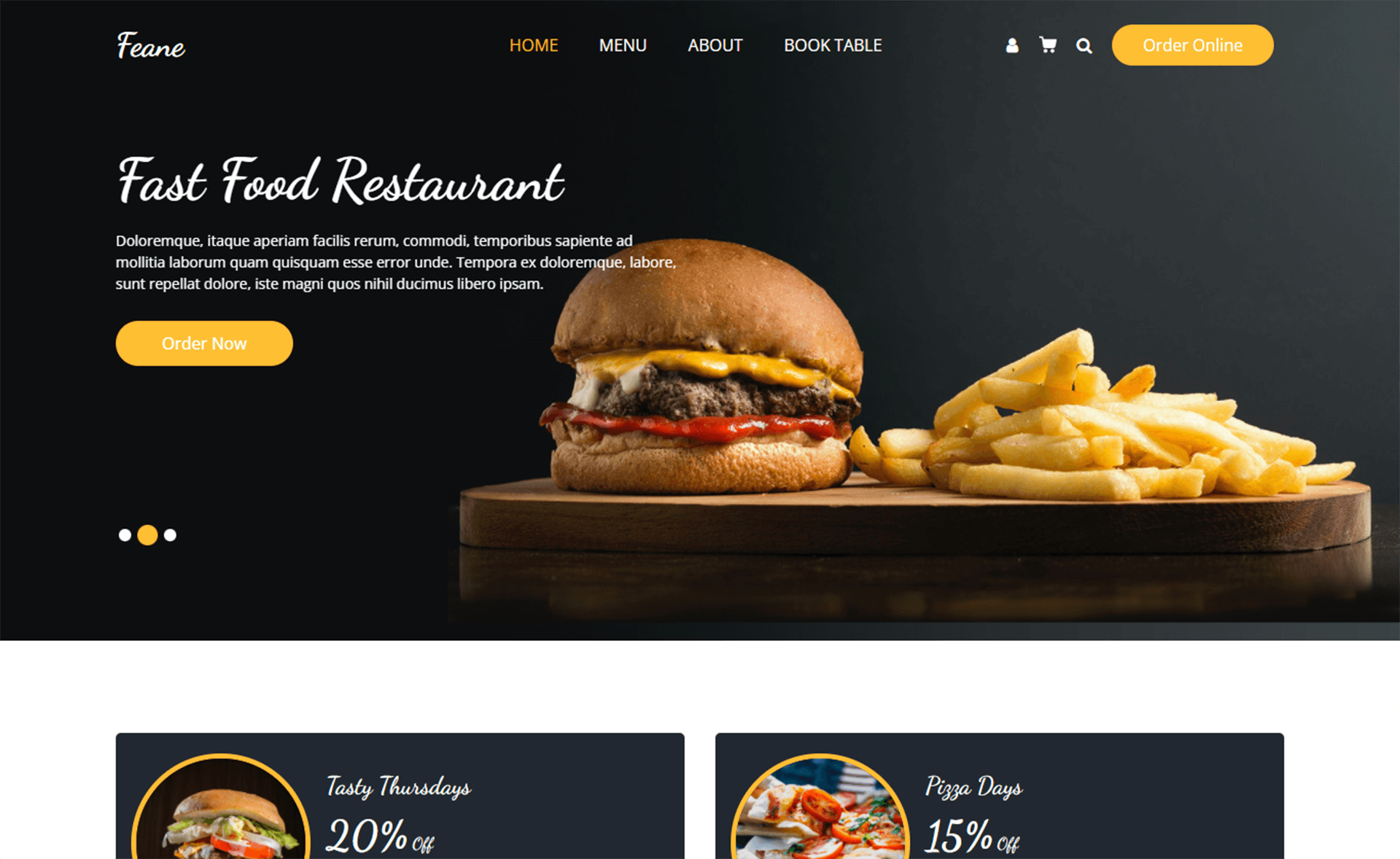
Does a Restaurant Website Need The Same Ambiance As Your Real-Life
Brand Story: Share your brand’s history, mission, and values.
Team Introduction: Introduce your team members and highlight their expertise.
Sourcing Information: Explain your sourcing practices and commitment to quality ingredients.
Behind-the-Scenes Content: Share behind-the-scenes glimpses of your kitchen or production process.
Contact Us Page: Connecting with Customers
Contact Information: Display your phone number, email address, and physical address.
Contact Form: Provide a contact form for easy inquiries.
Social Media Links: Include links to your social media profiles.
Map Integration: Embed a map to your location.
Blog/Recipes: Engaging Your Audience
Valuable Content: Share recipes, cooking tips, food stories, and industry insights.
SEO Optimization: Optimize your blog content for search engines to attract organic traffic.
Visual Content: Use high-quality images and videos to enhance your blog posts.
Community Engagement: Encourage comments and feedback from your readers.
User-Friendly Interface: Ensure a seamless and intuitive ordering or reservation process.
Secure Payment Gateway: Integrate a secure payment gateway for online transactions.
Order Tracking/Confirmation: Provide order tracking and confirmation options.
Table Management (for restaurants): Implement table management features for efficient seating.
Gallery/Portfolio: Visual Storytelling
High-Quality Images: Showcase your best food photography.
Video Content: Utilize video content to capture the essence of your brand and food.
Customer Testimonials: Feature customer testimonials and reviews.
4. Website Design and User Experience (UX):
Your website’s design and UX should be visually appealing, user-friendly, and reflective of your brand.
Visual Hierarchy: Create a clear visual hierarchy to guide visitors through your website.
Consistent Branding: Maintain consistent branding across all pages, including colors, fonts, and imagery.
Mobile Optimization: Ensure your website is fully responsive and optimized for mobile devices.
Fast Loading Speed: Optimize your website’s loading speed to improve user experience and SEO.
Easy Navigation: Implement clear and intuitive navigation to help visitors find what they’re looking for.
Accessibility: Design your website with accessibility in mind to cater to users with disabilities.
5. Search Engine Optimization (SEO):
SEO is crucial for driving organic traffic to your website.
Keyword Research: Identify relevant keywords that your target audience is searching for.
On-Page Optimization: Optimize your website’s content, meta tags, and images for your target keywords.
Local SEO: Optimize your website for local search to attract customers in your area.
Link Building: Build high-quality backlinks to your website from reputable sources.
Content marketing: Create valuable and engaging content that attracts and retains your audience.
6. Social Media Integration:
Integrate your social media profiles with your website to expand your reach and engage with your audience.
Social Media Buttons: Display social media buttons on your website to encourage visitors to follow you.
Social Media Feeds: Embed social media feeds on your website to showcase your latest posts.
Social Sharing Buttons: Add social sharing buttons to your blog posts and product pages to make it easy for visitors to share your content.
7. Analytics and Tracking:
Track your website’s performance using analytics tools to identify areas for improvement.
Google Analytics: Use Google Analytics to track website traffic, user behavior, and conversion rates.
Heatmaps: Use heatmaps to visualize user interactions on your website.
A/B Testing: Conduct A/B testing to optimize your website’s design and content.
8. Maintaining and Updating Your Website:
Your website is an ongoing project that requires regular maintenance and updates.
Content Updates: Regularly update your menu, blog, and other website content.
Security Updates: Install security updates to protect your website from vulnerabilities.
Performance Monitoring: Monitor your website’s performance and address any issues promptly.
Customer Feedback: Actively solicit and respond to customer feedback to improve your website and services.
9. Legal and Ethical Considerations:
Privacy Policy: Create a privacy policy that outlines how you collect and use customer data.
Terms of Service: Develop terms of service that govern the use of your website.
Copyright Compliance: Ensure that all content on your website complies with copyright laws.
Food Safety Regulations: Adhere to all relevant food safety regulations and guidelines.
10. Promoting Your Website:
Social Media Marketing: Promote your website on social media platforms.
Email Marketing: Build an email list and send out newsletters and promotional emails.
Local Listings: List your website on local business directories and review sites.
Online Advertising: Run online advertising campaigns to reach a wider audience.
Partnerships: Collaborate with other businesses in your area to cross-promote your websites.
By implementing these strategies, you can create a compelling food business website that attracts customers, builds loyalty, and drives sales. Remember to continuously analyze your website’s performance and adapt your strategies to stay ahead of the competition. Your website is a living, breathing representation of your business – nurture it, and it will nourish your growth.