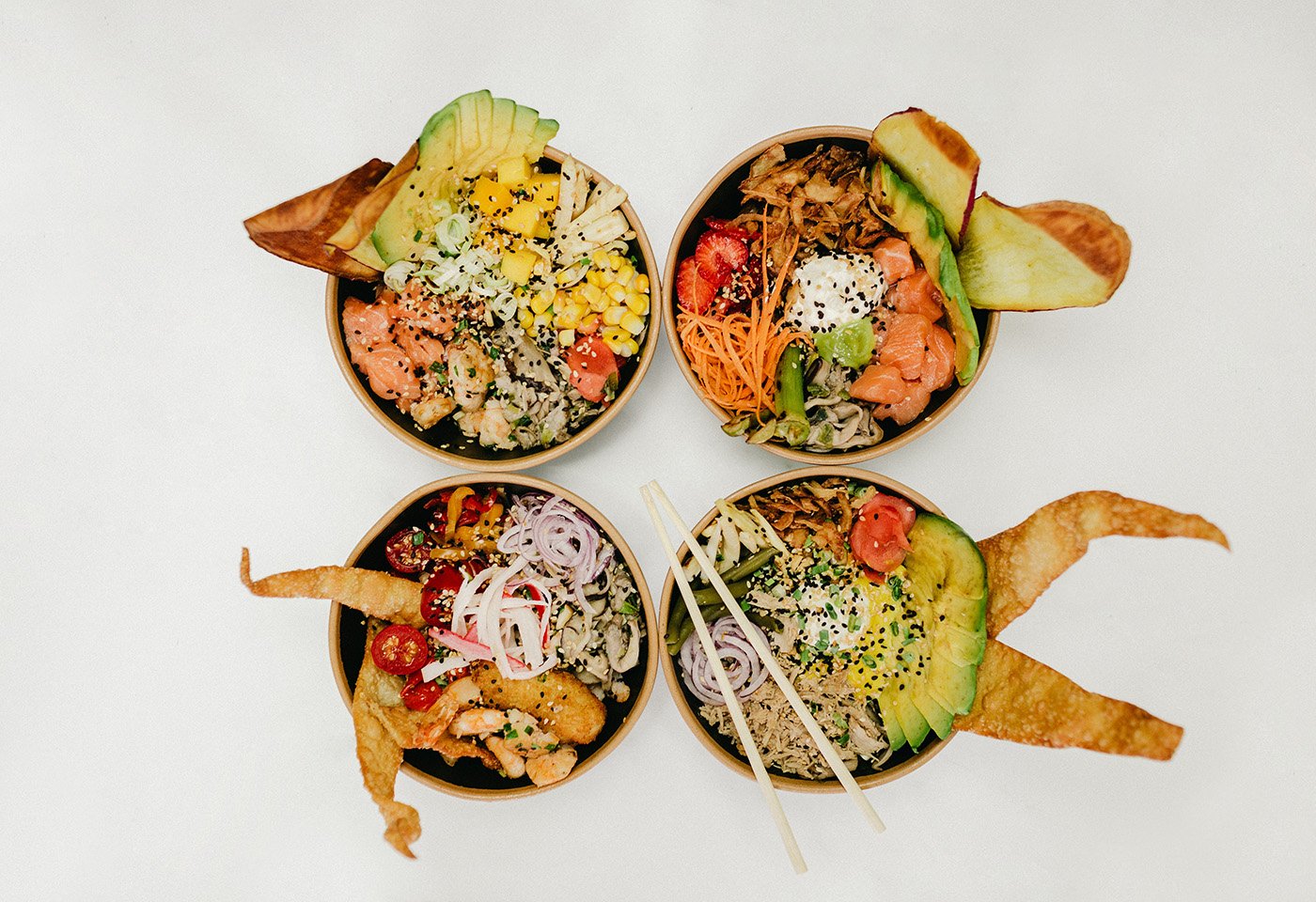
foodbusiness Ideas in Zambia: A Comprehensive Guide
Zambia, with its rich agricultural heritage and a growing economy, presents a fertile ground for aspiring food entrepreneurs. This article explores a range of promising food business ideas that can thrive in the Zambian market.
1. Processed Food Manufacturing
Maize Milling: Maize is a staple food in Zambia. Establishing a maize mill to produce flour, mealie-meal, and other maize-based products can cater to high demand.
Cassava Processing: Cassava is another abundant crop. Processing cassava into flour, chips, and starch can create value-added products with a wider market appeal.
Tomato Paste Production: Zambia produces significant quantities of tomatoes. Processing them into tomato paste can reduce post-harvest losses and create a shelf-stable, in-demand product.
Peanut Processing: Peanuts are widely cultivated. Processing peanuts into peanut butter, roasted peanuts, and peanut oil can tap into growing consumer preferences for healthy snacks and cooking oils.
Fruit Juice Processing: Zambia boasts diverse fruits. Setting up a fruit juice processing unit can capitalize on the demand for healthy beverages, especially among health-conscious consumers.
Vegetable Processing: Processing vegetables into canned or frozen products can extend their shelf life and create a consistent supply for both local and export markets.
Rice Milling: As rice consumption increases, establishing a rice mill to process locally grown rice can meet growing demand and reduce reliance on imports.
How to start a food business: -step guide
2. Food Service Industry
Restaurant and Catering: Opening a restaurant or catering service can cater to diverse palates and cater to various events, from weddings to corporate functions. Specializing in local cuisine or offering unique culinary experiences can attract a loyal customer base.
Fast Food Outlets: Establishing fast-food outlets offering affordable and convenient meals can cater to busy urban lifestyles and appeal to younger demographics.
Mobile Food Vending: Operating food trucks or stalls at busy locations can provide a flexible and cost-effective entry point into the food service industry.
Bakery and Pastry Shop: Setting up a bakery or pastry shop to produce and sell bread, cakes, pastries, and other baked goods can cater to a growing demand for sweet treats and artisanal products.
Coffee Shops and Cafes: Establishing coffee shops and cafes can cater to the growing demand for social spaces and provide a platform for enjoying coffee, tea, and light snacks.
3. Food Retail
Supermarkets and Grocery Stores: Establishing supermarkets or grocery stores can provide a convenient one-stop shop for consumers to purchase a wide range of food products.
Specialized Food Stores: Opening specialized food stores, such as organic food stores, health food stores, or gourmet food stores, can cater to niche markets and offer unique products.
Food Delivery Services: Establishing food delivery services can connect customers with restaurants and caterers, providing convenient access to a variety of meals.
Online Food Markets: Creating online platforms to connect farmers and food producers with consumers can facilitate direct sales and promote local food systems.
Zambian Fish Curry with Nshima
4. Other Food-Related Businesses
Food Packaging and Distribution: Establishing food packaging and distribution businesses can support the growth of other food businesses by providing essential services.
Agricultural Inputs Supply: Setting up businesses that supply agricultural inputs, such as fertilizers, seeds, and pesticides, can support food production and improve yields.
Food Processing Equipment Manufacturing and Supply: Manufacturing and supplying food processing equipment can meet the growing demand from food processing businesses.
Food Safety and Quality Control: Establishing food safety and quality control laboratories can ensure the safety and quality of food products, enhancing consumer confidence.
Key Considerations for Success
Market Research: Conduct thorough market research to identify market gaps, understand consumer preferences, and assess competition.
Business Plan: Develop a comprehensive business plan that outlines the business concept, target market, financial projections, and marketing strategies.
Funding: Secure adequate funding to cover startup costs, including equipment, inventory, and marketing expenses.
Skills and Expertise: Acquire the necessary skills and expertise in food production, food safety, and business management.
Compliance: Ensure compliance with all relevant regulations and licensing requirements.
Quality Control: Maintain high standards of quality and hygiene throughout the production and distribution process.
Marketing and Sales: Develop effective marketing and sales strategies to reach target customers and build brand awareness.
Customer Service: Provide excellent customer service to build customer loyalty and encourage repeat business.
Sustainability: Adopt sustainable practices to minimize environmental impact and ensure long-term viability.
Conclusion
The Zambian food industry offers numerous opportunities for entrepreneurs. By carefully considering the factors outlined in this article and leveraging the country’s abundant agricultural resources, aspiring food entrepreneurs can establish successful businesses that contribute to economic growth and improve food security.
Disclaimer: This article provides general information and should not be considered financial or legal advice. It is essential to conduct thorough research and consult with relevant professionals before starting any business.